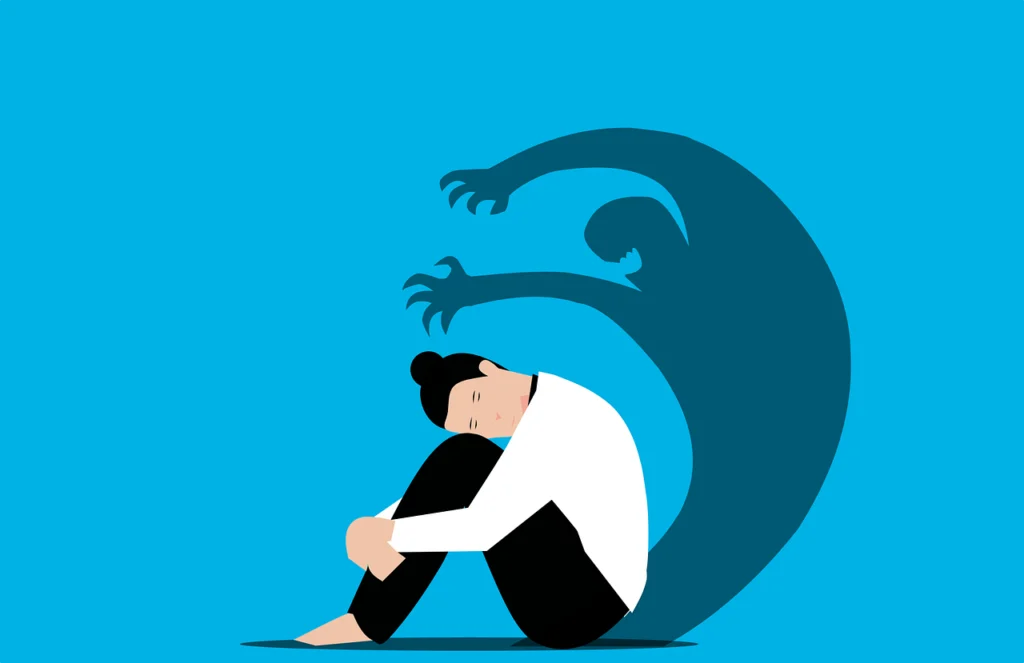
Phobias are a form of anxiety disorder characterized by an intense, persistent, and disproportionate fear of a specific object, situation, or activity. Unlike general anxiety, phobias are typically triggered by clearly identifiable stimuli and can lead to immediate distress or avoidance behaviors. In Lebanon, individuals experiencing phobias often delay seeking help due to normalization of avoidance or lack of clarity about treatment options. However, phobias are highly treatable with structured, evidence-based psychological interventions. Accessing a qualified therapist in Lebanon—whether in-person or online—can significantly reduce symptoms and restore functional daily living.
What is a Phobia?
A phobia is a clinically recognized anxiety disorder involving excessive fear that is not aligned with the actual level of threat posed. The fear response is automatic and can occur even when the individual recognizes that the fear is irrational.
Phobias are generally categorized into three main types:
Specific Phobias: Fear of particular objects or situations (e.g., heights, flying, animals, injections)
Social Phobia (Social Anxiety Disorder): Fear of social situations involving scrutiny or judgment
Agoraphobia: Fear of situations where escape may be difficult or help unavailable (e.g., crowded places, public transport)
The defining feature is avoidance. Over time, avoidance reinforces the fear response, maintaining or worsening the condition.
Common Symptoms of Phobia
Phobias present with both psychological and physiological symptoms, particularly when exposed to the feared stimulus.
Psychological symptoms:
Intense fear or panic when encountering or anticipating the trigger
Persistent worry about future exposure
Recognition that the fear is excessive (in many cases)
Strong urge to avoid the situation or object
Physical symptoms:
Rapid heart rate
Shortness of breath
Sweating or trembling
Chest tightness
Dizziness or lightheadedness
Nausea
Behavioral patterns:
Avoidance of specific places, situations, or activities
Disruption of daily functioning (e.g., avoiding travel, work situations, or medical care)
Dependence on others to manage exposure
When to Seek Therapy
Professional intervention is recommended when a phobia begins to interfere with normal functioning or quality of life. Many individuals attempt to manage phobias through avoidance, but this typically reinforces the fear cycle.
You should consider seeking therapy if:
The fear leads to consistent avoidance that limits daily activities
Symptoms trigger panic attacks or severe distress
The phobia interferes with work, education, or relationships
You experience anticipatory anxiety about encountering the trigger
The fear persists for several months or longer without improvement
Early intervention improves treatment outcomes and prevents escalation into broader anxiety patterns.
Types of Therapy for Phobia
Phobias are among the most responsive conditions to structured psychological treatment. Evidence-based therapies focus on reducing fear responses and breaking avoidance cycles.
Cognitive Behavioral Therapy (CBT):
CBT is the primary treatment for phobias. It addresses both the cognitive distortions and behavioral avoidance patterns that maintain the condition.
Exposure Therapy:
A core component of CBT, exposure therapy involves gradual, controlled exposure to the feared stimulus. This process helps desensitize the fear response and retrain the brain’s threat perception.
Systematic desensitization: Gradual exposure paired with relaxation techniques
In vivo exposure: Direct real-life exposure to the feared object or situation
Imaginal exposure: Visualization when real-life exposure is not immediately feasible
Acceptance and Commitment Therapy (ACT):
ACT focuses on reducing avoidance by helping individuals tolerate distress while engaging in meaningful activities, even in the presence of fear.
Virtual Reality Exposure Therapy (when available):
In some clinical settings, VR-based exposure is used for phobias such as fear of flying or heights, providing controlled simulation environments.
Medication is not typically the first-line treatment for specific phobias but may be used in some cases to manage severe anxiety symptoms, particularly in social anxiety or agoraphobia.
Finding a Phobia Therapist in Lebanon


Lara Tarraf


Nadeen Abdo, MA


Tony Abou Zeidan


Fatima Khachfe, MA
Selecting a qualified therapist is critical for effective treatment. In Lebanon, therapy services are available across major districts, with both in-person and online options.
Key factors to consider:
Clinical specialization:
Look for therapists experienced in anxiety disorders and specifically trained in CBT and exposure-based approaches.
Therapeutic approach:
Ensure the therapist uses structured, evidence-based methods rather than purely supportive or unstructured talk therapy.
Language compatibility:
Therapy is available in Arabic, English, and French. Choose the language in which you can communicate most precisely.
Session format:
In-person sessions may be beneficial for exposure-based work
Online therapy can still be effective, particularly for initial assessment and guided exposure planning
Location within Lebanon:
Therapists are typically distributed across Beirut, Mount Lebanon, and other districts. Many also offer remote sessions to increase accessibility.
Using a structured therapist directory allows you to filter professionals by specialization, location, language, and therapy type, making the selection process more efficient.
What to Expect in Therapy
Treatment for phobias is typically structured, goal-oriented, and time-limited compared to other psychological conditions.
Initial assessment:
The therapist will identify the specific phobia, triggers, severity, and associated avoidance behaviors. This may include standardized assessment tools.
Psychoeducation:
You will receive a clear explanation of how phobias develop and are maintained, particularly the role of avoidance and conditioned fear responses.
Treatment planning:
A step-by-step exposure hierarchy is developed, starting with less distressing situations and gradually progressing to more challenging ones.
Exposure work:
You will engage in controlled exposure exercises, either in session or as structured assignments between sessions. The process is gradual and adapted to your tolerance level.
Cognitive restructuring:
The therapist will help identify and challenge distorted beliefs related to the feared stimulus.
Progress monitoring:
Symptom reduction and functional improvements are tracked over time to adjust the treatment plan as needed.
Most individuals experience measurable improvement within a relatively short number of sessions when therapy is consistent and structured.
Phobias are highly treatable conditions, but they rarely resolve without targeted intervention. Accessing a qualified phobia therapist in Lebanon allows for evidence-based treatment that directly addresses the underlying mechanisms of fear and avoidance.
Therapy Areas
- Anxiety Therapists in Lebanon
- Addiction Therapists in Lebanon
- Depression Therapists in Lebanon
- OCD Therapists in Lebanon
- Stress & Burnout Therapists in Lebanon
- Panic Attack Therapists in Lebanon
- Anger Management Therapists in Lebanon
- Grief & Loss Therapists in Lebanon
- Personality Disorders Therapists in Lebanon
- Eating Disorders Therapists in Lebanon
- Trauma and PTSD Therapists in Lebanon
Looking for a broader list of professionals?
View all psychologists in Lebanon.

