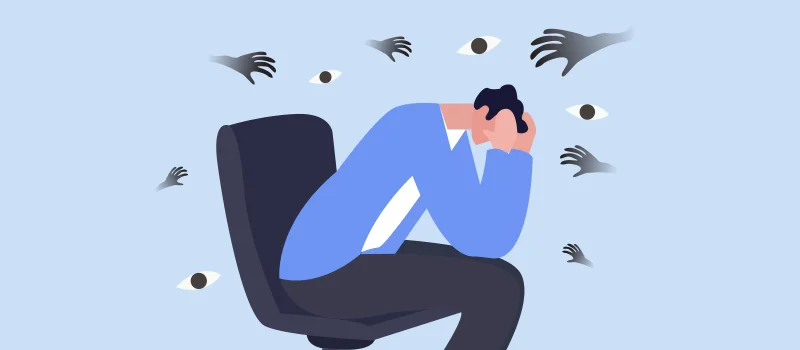
Panic attacks are sudden episodes of intense fear or discomfort that can occur without clear warning. They are often overwhelming, both physically and psychologically, and can lead individuals to believe they are experiencing a medical emergency. In Lebanon, panic attacks are a common reason for seeking psychological support, particularly in the context of ongoing stressors, uncertainty, and environmental pressures.
Access to qualified therapists in Lebanon is essential for accurate diagnosis, effective treatment, and long-term management. Panic attacks are highly treatable when addressed with evidence-based psychological interventions. This page provides a clear clinical overview of panic attacks, how they present, and how therapy can help.
What is a Panic Attack?
A panic attack is a discrete period of intense fear or discomfort that reaches a peak within minutes. It involves a rapid activation of the body’s threat-response system, often in the absence of immediate danger.
Panic attacks can occur in isolation or as part of a broader condition such as Panic Disorder, Generalized Anxiety Disorder, or other anxiety-related conditions. While the experience is not physically dangerous, it can feel life-threatening, leading many individuals to seek emergency medical care during initial episodes.
Recurrent panic attacks may result in behavioral changes, including avoidance of certain places, situations, or activities. Over time, this can significantly restrict daily functioning.
Common Symptoms of Panic Attacks
Panic attacks typically involve a combination of physical and cognitive symptoms. These symptoms develop rapidly and often peak within 10–15 minutes.
Common physical symptoms:
Rapid heart rate (palpitations)
Shortness of breath or feeling unable to breathe
Chest pain or tightness
Dizziness or lightheadedness
Sweating or chills
Trembling or shaking
Nausea or abdominal discomfort
Sensations of choking
Common psychological symptoms:
Intense fear of losing control
Fear of dying or having a heart attack
Feelings of unreality (derealization)
Feeling detached from oneself (depersonalization)
Sudden sense of impending danger
The severity and combination of symptoms can vary, but the experience is typically abrupt and distressing.
When to Seek Therapy
Therapy is recommended when panic attacks begin to affect daily functioning, create persistent fear, or lead to avoidance behaviors.
You should consider seeking therapy if:
Panic attacks occur repeatedly or unpredictably
You experience ongoing anxiety about having another attack
You avoid places or situations due to fear of triggering an episode
Symptoms interfere with work, social functioning, or mobility
You have sought repeated medical evaluations with no physical cause identified
Early intervention reduces the likelihood of panic attacks developing into more complex conditions such as Panic Disorder or agoraphobia.
Types of Therapy for Panic Attacks
Effective treatment for panic attacks is well-established and typically involves structured, evidence-based approaches.
Cognitive Behavioral Therapy (CBT)
CBT is the most widely used and researched treatment for panic attacks. It focuses on identifying and modifying distorted thought patterns that contribute to fear responses.
Key components include:
Cognitive restructuring (challenging catastrophic thinking)
Interoceptive exposure (gradual exposure to physical sensations)
Behavioral experiments to reduce avoidance
CBT is structured, time-limited, and goal-oriented.
Exposure-Based Therapy
Exposure therapy targets avoidance patterns by gradually confronting feared sensations and situations in a controlled and systematic manner.
This approach helps:
- Reduce sensitivity to bodily sensations
- Break the cycle of fear and avoidance
- Increase tolerance to anxiety triggers
Psychodynamic Therapy
Psychodynamic approaches explore underlying emotional conflicts or unconscious processes that may contribute to anxiety and panic symptoms.
This modality may be useful for individuals with:
Long-standing anxiety patterns
Complex emotional histories
Co-occurring psychological conditions
Pharmacological Support (when needed)
While this page focuses on psychotherapy, some individuals may benefit from medication prescribed by a psychiatrist. This is often considered when symptoms are severe or persistent.
Finding a Panic Attack Therapist in Lebanon


Nadeen Abdo, MA


Ghinwa Kazan


Tony Abou Zeidan


Fatima Khachfe, MA
Choosing a qualified therapist in Lebanon involves several practical considerations that can impact treatment effectiveness.
Key factors to consider:
Clinical expertise: Look for therapists experienced in anxiety disorders and panic-related conditions
Therapeutic approach: Ensure the therapist uses evidence-based methods such as CBT or exposure therapy
Language: Availability of therapy in Arabic, English, or French depending on patient preference
Session format: Options for in-person sessions or secure online therapy
Location: Accessibility within Lebanese districts if attending in person
Professional credentials: Licensed psychologists or psychotherapists with relevant training
Lebanon offers a range of qualified professionals across different regions. Online therapy has also become a reliable option, especially for individuals who experience avoidance of certain environments due to panic symptoms.
What to Expect in Therapy
Therapy for panic attacks is structured, collaborative, and focused on symptom reduction and functional recovery.
During initial sessions, the therapist will:
Conduct a detailed clinical assessment
Differentiate panic attacks from medical or other psychological conditions
Identify triggers, patterns, and maintaining factors
Treatment typically involves:
Education about the physiological mechanisms of panic
Identification of maladaptive thought patterns
Gradual exposure to feared sensations or situations
Development of coping strategies to manage acute episodes
Progress is monitored systematically, and therapy is adjusted based on response. Many individuals experience significant improvement within a relatively short timeframe when treatment is consistent.
The goal of therapy is not only to reduce the frequency and intensity of panic attacks, but also to eliminate avoidance behaviors and restore normal functioning.
Panic attacks are acute, distressing episodes that can significantly disrupt daily life, but they are highly treatable with the right psychological interventions. In Lebanon, access to qualified therapists trained in evidence-based approaches allows individuals to receive targeted and effective care.
Seeking therapy early improves outcomes, prevents symptom escalation, and supports long-term recovery.
Therapy Areas
- Anxiety Therapists in Lebanon
- Depression Therapists in Lebanon
- OCD Therapists in Lebanon
- Stress & Burnout Therapists in Lebanon
- Addiction Therapists in Lebanon
- Anger Management Therapists in Lebanon
- Eating Disorders Therapists in Lebanon
- Grief & Loss Therapists in Lebanon
- Personality Disorders Therapists in Lebanon
- Phobia Therapists in Lebanon
- Trauma and PTSD Therapists in Lebanon
Looking for a broader list of professionals?
View all psychologists in Lebanon.

