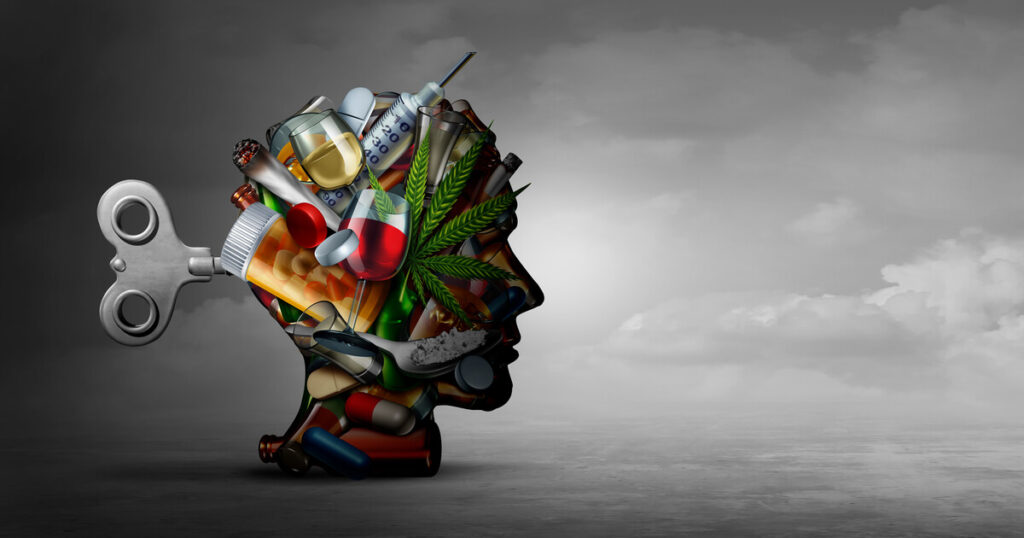
Addiction is a complex psychological and behavioral condition characterized by compulsive engagement in substances or activities despite harmful consequences. It affects individuals across all demographics and is increasingly recognized as a significant mental health concern in Lebanon, where social, economic, and environmental stressors can contribute to vulnerability. Addiction is not limited to substance use; it may involve behaviors such as gambling, internet use, or gaming.
Access to qualified addiction therapists in Lebanon is essential for accurate diagnosis, structured intervention, and long-term recovery. Evidence-based therapy plays a central role in addressing both the underlying psychological mechanisms and the behavioral patterns that sustain addiction.
What is Addiction?
Addiction is a chronic condition involving dysregulation in the brain’s reward, motivation, and control systems. It is typically marked by a loss of control over use, continued engagement despite negative outcomes, and the development of tolerance or withdrawal symptoms in substance-related cases.
Two primary categories are recognized:
Substance Use Disorders: involving alcohol, nicotine, prescription medications, or illicit drugs
Behavioral Addictions: involving activities such as gambling, gaming, or compulsive internet use
Addiction often co-occurs with other mental health conditions, including anxiety, depression, or trauma-related disorders. Effective treatment requires addressing both the addiction and any underlying psychological factors.
Common Symptoms of Addiction
Symptoms vary depending on the substance or behavior involved but typically include:
Persistent cravings or urges
Loss of control over use or behavior
Increased tolerance (needing more to achieve the same effect)
Withdrawal symptoms when stopping
Neglect of responsibilities (work, school, family)
Continued use despite physical, psychological, or social harm
Failed attempts to reduce or stop
Significant time spent obtaining, using, or recovering from the substance or behavior
These symptoms indicate a pattern that goes beyond occasional use or habit and requires clinical attention.
When to Seek Therapy
Therapy should be considered when patterns of use or behavior begin to interfere with daily functioning, relationships, or health. Early intervention improves outcomes and reduces the risk of long-term complications.
Seek professional help if:
Attempts to stop or reduce use have been unsuccessful
There is increasing reliance on substances or behaviors to cope with stress
Work, academic performance, or relationships are deteriorating
There are signs of withdrawal or physical dependence
Risky or harmful situations are occurring as a result of use
In Lebanon, stigma and lack of awareness can delay treatment. However, addiction is a treatable condition, and structured therapy provides a clear and evidence-based path forward.
Types of Therapy for Addiction
Effective addiction treatment is structured, evidence-based, and tailored to the individual. Common therapeutic approaches include:
Cognitive Behavioral Therapy (CBT)
CBT focuses on identifying and modifying maladaptive thought patterns and behaviors that sustain addiction. It is widely used for both substance use and behavioral addictions.
Motivational Interviewing (MI)
MI is a structured, goal-oriented approach that enhances motivation to change. It is particularly useful in early stages when individuals may be ambivalent about stopping.
Dialectical Behavior Therapy (DBT)
Originally developed for emotional regulation, DBT is effective in cases where addiction is linked to impulsivity, distress intolerance, or self-destructive patterns.
Relapse Prevention Therapy
This approach focuses on identifying triggers, managing high-risk situations, and developing coping strategies to maintain long-term recovery.
Psychodynamic Therapy
Used to explore underlying emotional conflicts, trauma, or relational patterns that contribute to addictive behaviors.
In some cases, therapy may be combined with medical or psychiatric support, particularly for substance use disorders involving physical dependence.
Finding an Addiction Therapist in Lebanon


Tony Abou Zeidan


Charbel El Haddad
Selecting a qualified addiction therapist in Lebanon requires attention to clinical training, specialization, and practical factors that affect accessibility.
Key considerations include:
Clinical specialization: Look for psychologists or psychotherapists with experience in addiction or substance use disorders
Therapeutic approach: Evidence-based methods such as CBT, MI, or relapse prevention should be clearly indicated
Language: Many therapists in Lebanon offer sessions in Arabic, English, or French
Session format: Both in-person and online therapy options are available, depending on location and preference
Confidentiality and ethics: Ensure the therapist adheres to professional standards of confidentiality and clinical practice
Lebanon’s mental health infrastructure includes private practices, clinics, and specialized centers. Directory platforms can help filter therapists by specialty, location, and therapy type, making the selection process more efficient.
What to Expect in Therapy
Addiction therapy follows a structured clinical process focused on assessment, intervention, and long-term management.
Initial Assessment
The first sessions involve a comprehensive evaluation of the addiction pattern, psychological history, and any co-occurring conditions. This stage determines the appropriate treatment plan.
Treatment Planning
A structured plan is developed, outlining goals, therapeutic methods, and expected frequency of sessions.
Active Therapy Phase
Sessions focus on:
Identifying triggers and high-risk situations
Developing coping strategies
Restructuring maladaptive thoughts
Building behavioral control and emotional regulation
Relapse Prevention
Long-term recovery involves maintaining progress and managing setbacks. Therapy includes strategies to prevent relapse and sustain behavioral change.
Duration and Frequency
The length of therapy varies depending on severity, type of addiction, and individual response. Sessions are typically held weekly, with adjustments based on clinical need.
Addiction is a clinically recognized condition that requires structured, evidence-based intervention. Accessing qualified addiction therapists in Lebanon provides individuals with a clear, professional pathway to address the condition, reduce harm, and achieve sustained recovery.
Therapy Areas
- Anxiety Therapists in Lebanon
- Depression Therapists in Lebanon
- OCD Therapists in Lebanon
- Stress & Burnout Therapists in Lebanon
- Panic Attack Therapists in Lebanon
- Anger Management Therapists in Lebanon
- Eating Disorders Therapists in Lebanon
- Grief & Loss Therapists in Lebanon
- Personality Disorders Therapists in Lebanon
- Phobia Therapists in Lebanon
- Trauma and PTSD Therapists in Lebanon
Looking for a broader list of professionals?
View all psychologists in Lebanon.

