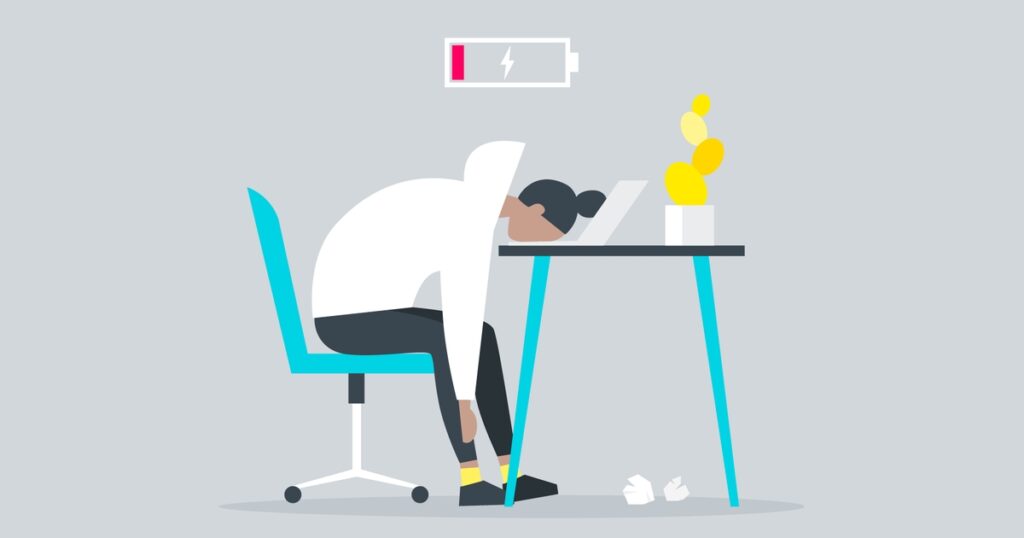
Stress and burnout are increasingly reported among individuals in Lebanon, particularly in the context of ongoing economic instability, high work demands, and prolonged uncertainty. While stress is a normal physiological and psychological response to pressure, chronic exposure without adequate recovery can lead to burnout, a more severe, persistent condition that affects emotional, cognitive, and physical functioning. Many individuals delay seeking professional support, assuming their symptoms are temporary or situational. However, untreated stress and burnout can significantly impair daily functioning, work performance, and overall mental health. Accessing a qualified therapist in Lebanon allows for structured assessment, accurate differentiation between stress-related conditions, and the implementation of evidence-based interventions tailored to the individual’s context.
What is Stress & Burnout?
Stress refers to the body’s response to perceived demands or threats. It can be acute (short-term) or chronic (long-term), and may arise from occupational, financial, interpersonal, or environmental factors. In moderate levels, stress can enhance performance. However, when persistent and unmanaged, it contributes to psychological and physiological dysregulation.
Burnout is a specific syndrome resulting from prolonged exposure to chronic stress, most commonly in occupational settings. It is characterized by three primary dimensions:
Emotional exhaustion
Depersonalization or detachment from work or responsibilities
Reduced sense of personal accomplishment
Unlike general stress, burnout reflects a deeper level of depletion and often requires targeted psychological intervention. It is not simply “being tired” or “overworked,” but a clinically significant state associated with reduced functioning and increased risk for anxiety, depression, and somatic complaints.
Common Symptoms of Stress & Burnout
Symptoms vary in intensity and presentation but typically include a combination of emotional, cognitive, physical, and behavioral indicators:
Persistent fatigue or low energy, even after rest
Irritability or increased emotional reactivity
Difficulty concentrating or impaired decision-making
Sleep disturbances (insomnia or non-restorative sleep)
Headaches, muscle tension, or gastrointestinal discomfort
Reduced motivation or disengagement from work or responsibilities
Feelings of cynicism, detachment, or loss of purpose
Decline in work performance or productivity
Increased reliance on coping behaviors such as avoidance or withdrawal
These symptoms often develop gradually, making them difficult to identify early without structured evaluation.
When to Seek Therapy
Professional intervention is recommended when stress becomes persistent, escalates in intensity, or begins to interfere with functioning across domains. Indicators that therapy may be necessary include:
Symptoms lasting several weeks without improvement
Noticeable decline in occupational or academic performance
Emotional exhaustion that does not resolve with rest
Withdrawal from social or professional responsibilities
Increased conflict in interpersonal relationships
Physical symptoms with no clear medical explanation
Co-occurring symptoms of anxiety or depression
In Lebanon, where systemic stressors are often ongoing, individuals may normalize high stress levels. Therapy provides a clinical framework to assess whether symptoms fall within expected stress responses or indicate burnout or related conditions requiring intervention.
Types of Therapy for Stress & Burnout
Treatment for stress and burnout is not generic; it depends on symptom severity, contributing factors, and individual psychological patterns. Evidence-based approaches commonly used include:
Cognitive Behavioral Therapy (CBT)
CBT targets maladaptive thought patterns and behavioral responses contributing to stress. It is effective in reducing cognitive overload, improving coping strategies, and restoring functional thinking patterns.
Stress Management Therapy
Structured interventions focus on identifying stressors, improving time management, and developing adaptive coping mechanisms. This may include relaxation techniques, behavioral restructuring, and problem-solving strategies.
Psychodynamic Therapy
This approach explores underlying psychological conflicts, personality patterns, and relational dynamics that may predispose individuals to chronic stress or burnout.
Acceptance and Commitment Therapy (ACT)
ACT helps individuals develop psychological flexibility, reduce experiential avoidance, and align behaviors with core values despite ongoing stressors.
Work-Focused Interventions
In cases of occupational burnout, therapy may include role clarification, boundary-setting strategies, and adjustments in work-related expectations or behaviors.
Treatment plans are individualized and may integrate multiple approaches depending on clinical formulation.
Finding a Stress & Burnout Therapist in Lebanon

Fatima Khachfe, MA
- +96176020627

Tony Abou Zeidan
- 79118123

Ghinwa Kazan
- 71819054

Nadeen Abdo, MA
- +96181727451

Lara Tarraf
- 76897272
Selecting a qualified therapist requires consideration of several clinical and practical factors. In Lebanon, therapists vary in training, specialization, and approach, making it essential to assess fit based on specific needs.
Key factors to consider include:
Clinical specialization: Look for therapists experienced in stress-related conditions, burnout, or occupational mental health
Therapeutic approach: Ensure alignment with evidence-based methods such as CBT, ACT, or psychodynamic therapy
Language: Many therapists in Lebanon offer sessions in English, Arabic, or French
Session format: Options typically include in-person sessions or online therapy, depending on accessibility and preference
Location: District-level accessibility can impact consistency of attendance
Professional credentials: Verify that the therapist is licensed or appropriately trained in clinical psychology or psychotherapy
Directories can facilitate this process by allowing users to filter therapists based on specialty, location, and session format, ensuring a more efficient and targeted search.
What to Expect in Therapy
Therapy for stress and burnout begins with a structured clinical assessment. The therapist will evaluate symptom history, contributing stressors, occupational context, coping mechanisms, and any co-occurring conditions.
Early sessions typically focus on: Clarifying the nature and severity of symptoms Differentiating between stress, burnout, and other psychological conditions Identifying key triggers and maintaining factors
Following assessment, a treatment plan is developed. This may include: Cognitive restructuring to address maladaptive thinking patterns Behavioral interventions to improve daily functioning Stress regulation techniques (e.g., controlled breathing, pacing strategies) Boundary-setting and workload management strategies Exploration of underlying psychological or relational patterns
Therapy is structured, goal-oriented, and adapted over time based on progress and response to intervention. The duration varies depending on severity, with some individuals benefiting from short-term interventions and others requiring longer-term work.
Confidentiality, consistency, and active participation are central to therapeutic effectiveness. Sessions are typically held weekly, with adjustments based on clinical need.
Stress and burnout are not transient inconveniences when they reach clinically significant levels. They are structured psychological conditions requiring accurate assessment and targeted intervention. Accessing a qualified therapist in Lebanon ensures that symptoms are addressed systematically, reducing the risk of progression and supporting sustainable recovery.
Therapy Areas
- Anxiety Therapists in Lebanon
- Addiction Therapists in Lebanon
- Depression Therapists in Lebanon
- OCD Therapists in Lebanon
- Panic Attack Therapists in Lebanon
- Anger Management Therapists in Lebanon
- Eating Disorders Therapists in Lebanon
- Grief & Loss Therapists in Lebanon
- Personality Disorders Therapists in Lebanon
- Phobia Therapists in Lebanon
- Trauma and PTSD Therapists in Lebanon
Looking for a broader list of professionals?
View all psychologists in Lebanon.